India has brands ready to go global.
Global brands are actively looking at India.
That part is no longer up for debate. What remains unresolved is where real expansion actually happens. Not announcements, not intent decks, but the point where brands meet buyers, align with investors, and build pathways that scale beyond one market. That gap is what the Yellow Zone at the BRICS+ Fashion & Lifestyle Summit is designed to address.
Brand globalisation in 2026 looks very different from the playbooks of the last decade. Expansion is no longer about replicating a domestic model overseas and hoping distribution figures it out. Rising trade friction, shifting consumer expectations, and tighter regulatory environments have forced brands to rethink how they enter new markets.
According to McKinsey, over 65% of fashion brands that expanded internationally between 2018–2022 underperformed their projections due to poor localisation and weak partner alignment. The lesson is clear: scale fails when it is rushed, and succeeds when it is structured.
India’s position in this landscape is unique. The country is now one of the fastest-growing consumer markets globally, with apparel and lifestyle consumption projected to cross USD 200 billion by 2030. At the same time, Indian brands are no longer confined to export-led manufacturing. Labels in apparel, footwear, jewellery, beauty, and lifestyle are building original IP with global relevance.
Brands like Sabyasachi have demonstrated how Indian aesthetics can translate internationally without dilution, while companies such as Nykaa and Boat have shown how domestic-first brands can build scale, capital efficiency, and investor confidence before looking outward. On the inbound side, brands like Uniqlo, H&M, and Decathlon have proven that India rewards those who enter with patience, pricing intelligence, and operational depth.
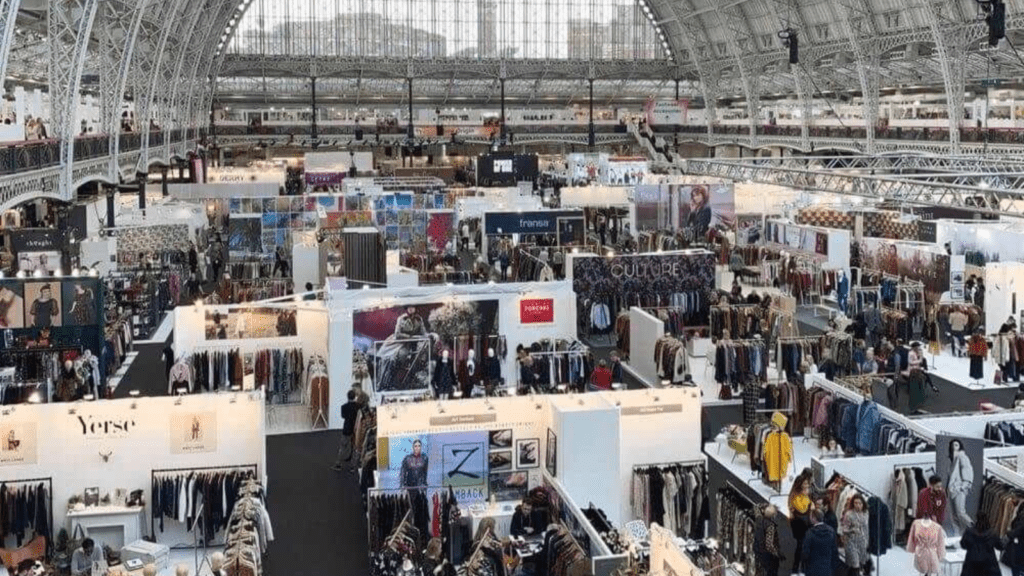
This is where the Yellow Zone becomes relevant.
It is positioned as the Brand Globalisation zone of the BRICS+ Fashion & Lifestyle Summit because it focuses on execution rather than aspiration. Indian brands preparing for overseas markets need more than exposure; they need market-entry logic, distribution partners, regulatory clarity, and buyer access. Global brands entering India face a different challenge: navigating fragmented retail, pricing sensitivity, cultural nuance, and supply-chain localisation.
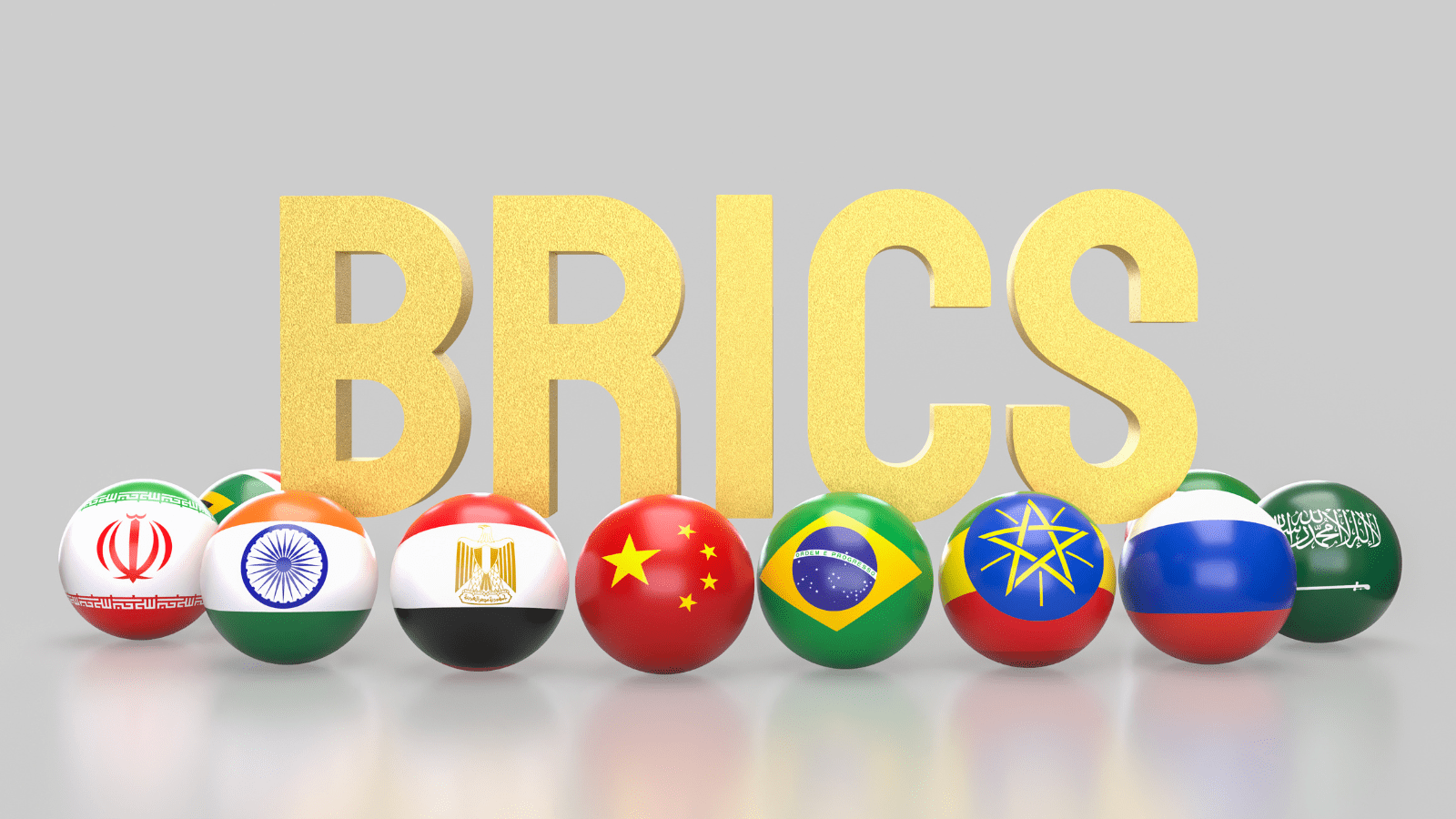
Recent trends reinforce this need for structured entry. Cross-border partnerships within BRICS+ economies are rising, driven by local-currency trade, regional sourcing hubs, and diversified manufacturing. Vietnam, Indonesia, Egypt, and India are increasingly part of the same expansion conversations, especially for mid-sized brands seeking faster market access without overexposure.
At the Yellow Zone, the emphasis is on conversations that convert. Buyers evaluating readiness. Investors assessing scalability. Market-entry experts addressing friction points early, before mistakes become expensive. This is where concepts are stress-tested, not celebrated prematurely.
Globalisation today is about unified brand identity paired with regional intelligence. It is about lowering operational risk, building relevance market by market, and scaling without eroding brand equity. Brands that understand this are already outperforming those chasing visibility alone.
If a brand has an idea, a concept, or a vision built for scale, the Yellow Zone offers a place to move from planning to execution. This is where validation happens, partnerships are formed, and expansion strategies begin to look like real businesses rather than hopeful slides.