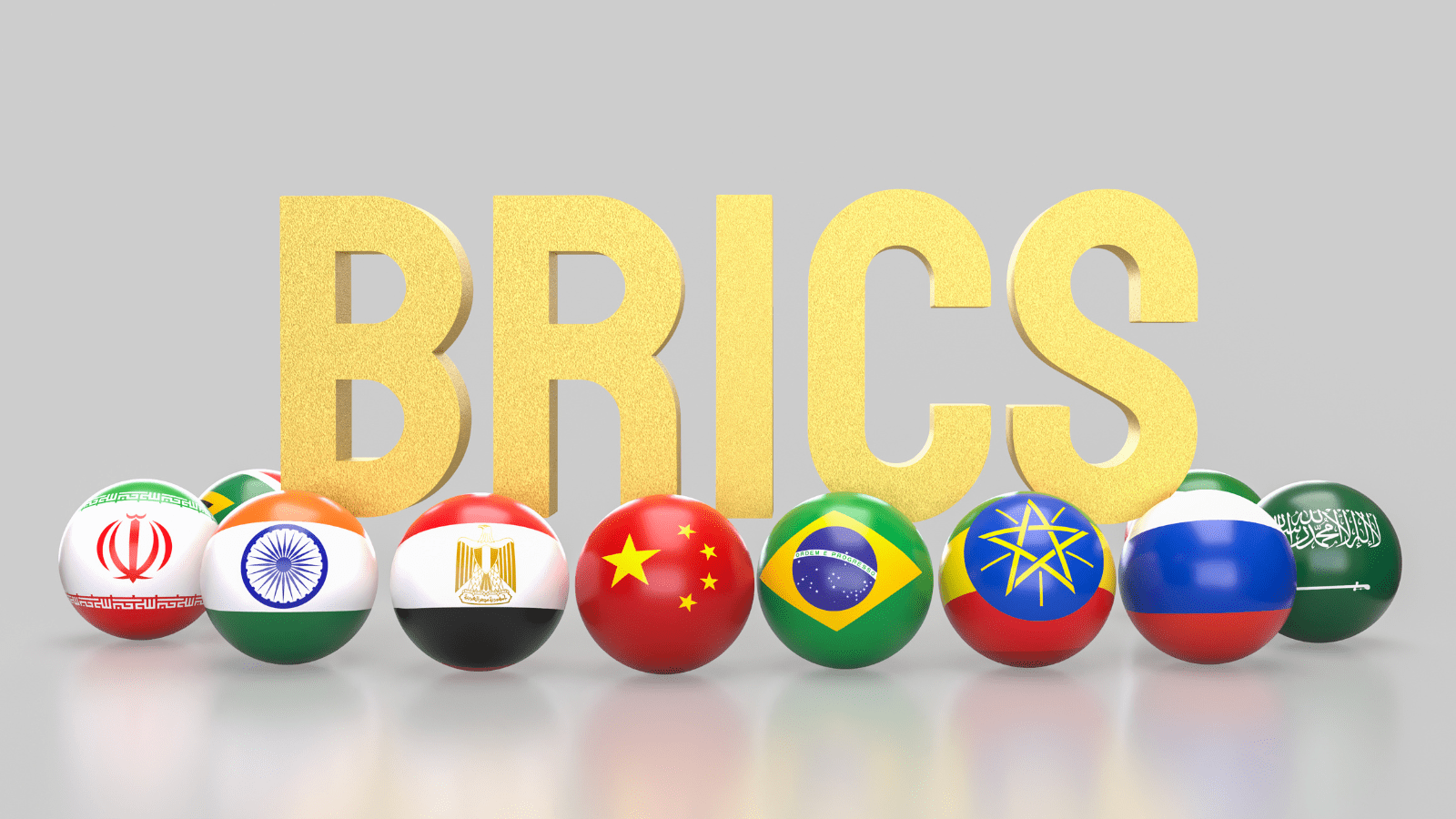
Fashion across the BRICS economies is already a material economic force. What is missing is coordination. Today, the sector operates as five large but largely independent systems. With intent, it could become an integration engine that links employment, trade, technology, and cultural influence across the bloc.
In India, textiles and apparel contribute roughly 2.3% of GDP and employ more than 45 million people directly, making it one of the country’s largest job creators after agriculture. Clusters such as Tiruppur, Surat, and Panipat function as full-stack ecosystems, combining spinning, weaving, dyeing, garmenting, and export logistics. India is also the world’s second-largest producer of cotton, yet it remains dependent on imported man-made fibers, a gap that limits competitiveness in performance and sustainable textiles.
China’s fashion economy operates at a different velocity. It accounts for nearly 40% of global textile and apparel exports and dominates upstream manufacturing, from synthetic fibers to automated garment production. Chinese firms now deploy AI-driven trend forecasting and demand sensing, allowing brands to reduce design-to-shelf timelines to under three weeks. Platforms like Shein’s supply model demonstrate how data, not design talent alone, has become a decisive competitive input.
Brazil and South Africa use fashion in a more narrative-driven way. Brazil’s fashion and textile industry contributes around 4% to its industrial GDP and employs over 1.3 million people. Brands rooted in indigenous motifs and Afro-Brazilian identity have found global audiences, particularly in resort wear and sustainable fashion. South Africa’s clothing and textile sector is smaller in scale, yet it plays an outsized role in cultural exports, with designers using fashion weeks and global collaborations to position national identity as a premium asset rather than a cost disadvantage.
These strengths, however, sit alongside structural risks. Most BRICS countries rely heavily on imported raw materials for synthetic fibers, specialty yarns, and finishing chemicals. At the same time, internal competition is intensifying. Chinese fast-fashion efficiency often undercuts Indian and South African producers, while artisanal clusters struggle to compete on price without losing authenticity. Left unmanaged, this competition fragments the bloc instead of strengthening it.
One clear trend shaping the next decade is sustainability pressure from global buyers. By 2030, over 60% of major fashion brands are expected to require traceability and low-impact material sourcing across their supply chains. This creates an opening for BRICS-led alternatives. Joint investments in organic cotton, recycled polyester, bamboo fibers, and biodegradable materials could reduce dependence on Western suppliers while aligning with climate commitments. India’s organic cotton leadership, Brazil’s bio-based material research, and China’s scale in fiber innovation could form a complementary system rather than parallel efforts.
Technology is another unifying axis. The fashion industry is moving rapidly toward digital sampling, AI-assisted design, and demand-led production. China currently leads in algorithmic forecasting, while India leads in craft depth and human skill density. A BRICS-wide digital fashion infrastructure—covering trend data, inventory intelligence, and blockchain-based provenance—could allow handcrafted products to scale without erasing origin or undercutting artisans. This approach reflects a broader trend: technology is no longer replacing tradition, but deciding whether tradition survives at scale.
Logistics and infrastructure remain the missing backbone. Intra-BRICS trade in textiles and apparel is still modest compared to trade with Europe and the US, largely due to cost, customs friction, and fragmented transport networks. The idea of a BRICS “textile corridor”—linking cotton regions, manufacturing hubs, ports, and consumer markets—aligns with existing investment patterns in ports, rail, and industrial parks. Faster trade cycles and predictable movement of goods would directly improve margins and make BRICS supply chains more resilient during global disruptions.
The data points to a clear direction. Fashion already contributes between 3–5% of GDP in several BRICS economies and supports tens of millions of jobs. Digitalization is shortening product cycles. Sustainability is becoming non-negotiable. Cultural identity is increasingly monetized as a premium rather than treated as a constraint.
For BRICS, the strategic question is not whether fashion belongs in economic planning. It already does. The real decision is whether member countries continue competing within the same narrow segments or design shared standards, shared infrastructure, and shared innovation platforms that allow fashion to operate as a tool of economic integration.
Handled deliberately, fashion can move beyond national pride and become one of the most visible, employment-intensive, and culturally resonant instruments of BRICS cooperation on the global stage.